
NIR Spectroscopy and Food & Beverage
Near-Infrared (NIR) spectroscopy is a fast, non-destructive, non-invasive, and cost-effective analytical method that can be used to measure the chemical composition, quality, and authenticity of food and beverage products. It utilizes the interaction of NIR light with chemical bonds in a food or beverage sample to provide a unique spectral fingerprint, which can be processed using multivariate data analysis to predict the sample’s chemical and physical properties.
NIR spectroscopy is a proven method for determining multiple chemical and physical parameters of interest in food and beverage products. It is effective for raw material and ingredients analysis. For processed products, NIR spectroscopy can provide fast and non-invasive quality control analysis throughout the production phases of the manufacturing process. It can also be used for a final check before a product is shipped and sold. Multivariate analysis can be used for both qualitative analysis and quantitative analysis. Examples of qualitative analysis are product identification or detection of an adulterant. Quantitative analysis can provide a general or detailed picture of the components of a food or beverage product.
Benefits of NIR Spectroscopy
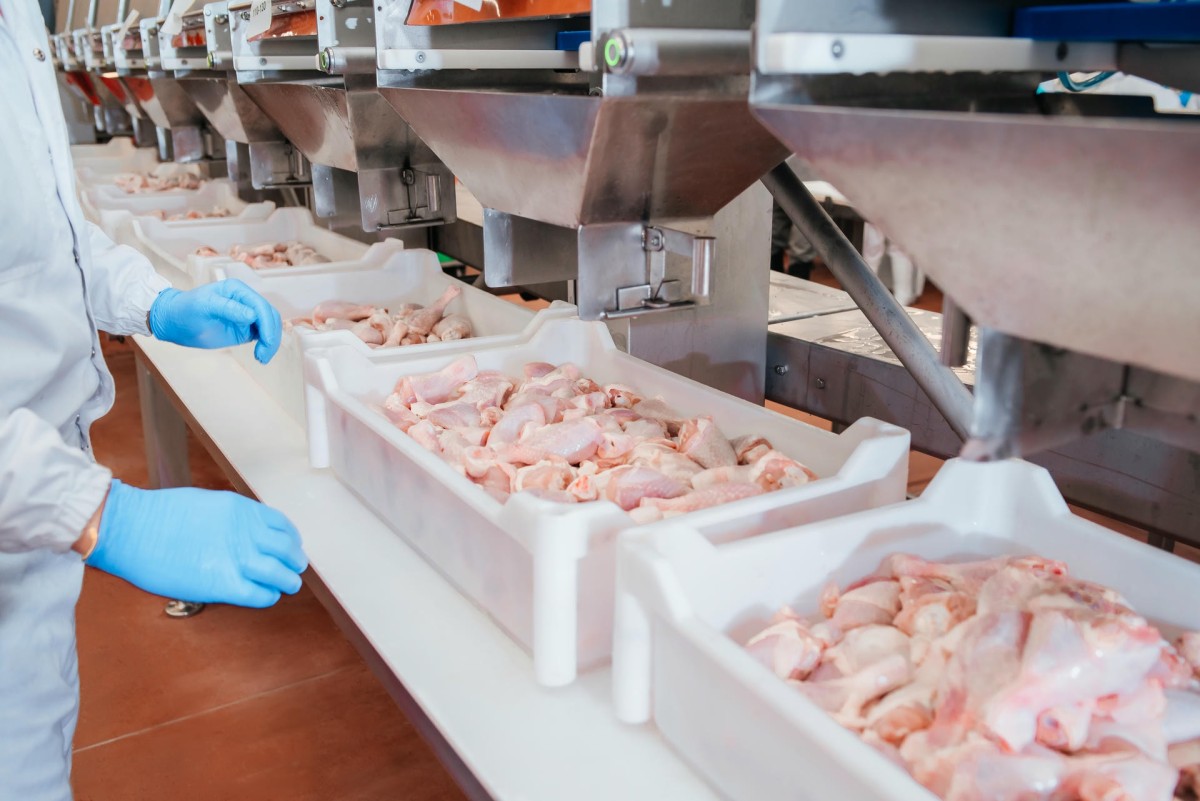
The benefits of using NIR spectroscopy as an alternative to traditional analytical methods for the measurement of food components cannot be understated. Many traditional methods require the use of wet chemistry for analysis and are time-consuming, labor-intensive, expensive, and often require extensive sample preparation. They require the use and disposal of toxic chemicals and solvents. Other components require the use of oven drying and other methods of analysis that can consume large amounts of energy. Traditional methods are also usually only capable of measuring one parameter per test. Most of these methods are ill-suited for real-time, on-line analysis. NIR spectroscopy is fast, non-invasive, and little to no sample preparation is required. The labor required for the use of NIR spectroscopy is minimal compared to other methods, resulting in reduced operating costs. Most importantly, NIR spectroscopy can determine multiple chemical and physical parameters of interest from a single measurement.
While NIR spectroscopy does require the creation of calibration models that correlate NIR spectra to parameters of interest, once these models are created multiple parameters can be determined from a single measurement. NIR spectrometers can be implemented in a laboratory off-line setting, an at-line setting near the production line, or integrated directly on-line into a manufacturing setting as a real-time process automation tool. Process optimization can be utilized by making decisions based on real-time data and feedback in a way that is impossible using traditional analytical methods.
Food Analysis Capabilities
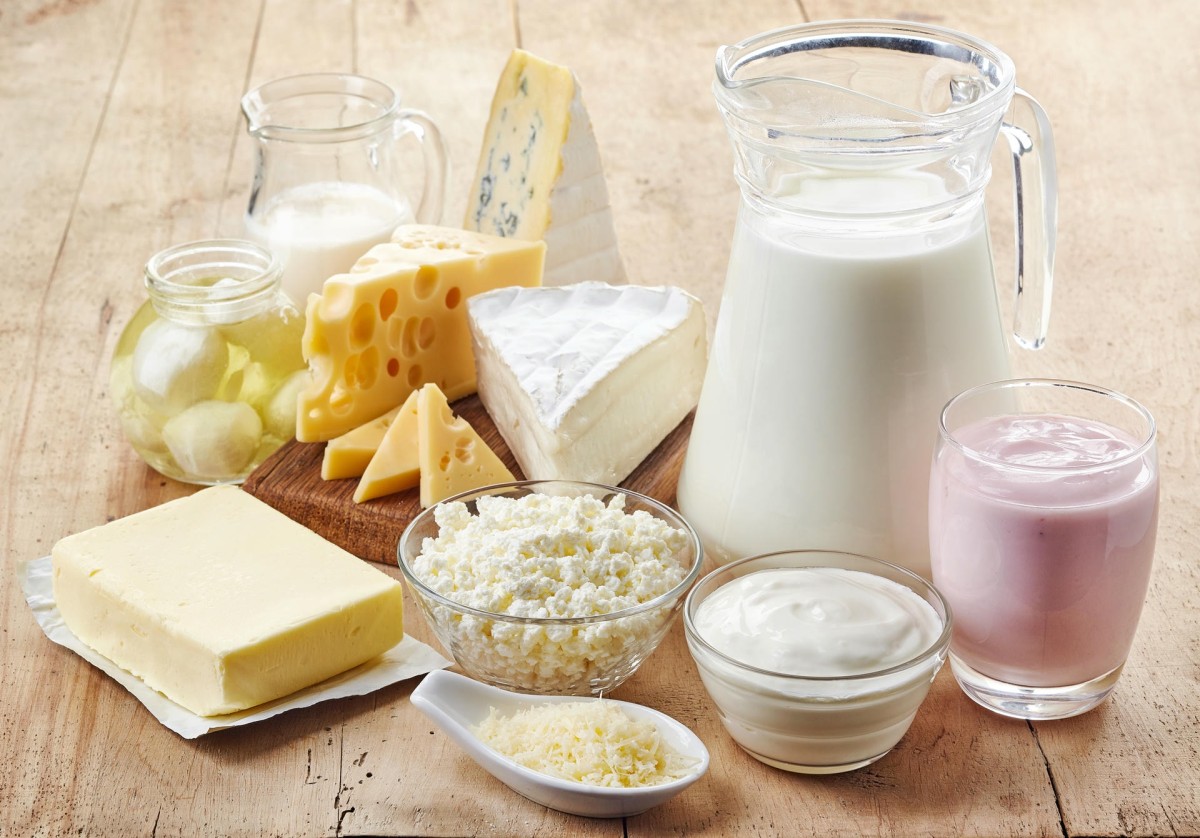
Proximate Analysis
Proximate analysis is a systematic approach used to determine the composition of food by breaking it down into its fundamental components. It involves the use of standardized methods to quantify moisture, fat, protein, ash and carbohydrates, often in terms of total compositional percentage. The traditional reference methods for proximate analysis have numerous disadvantages. The Kjeldahl method for protein analysis and Soxhlet method for fat analysis are both very time-consuming and require labor-intensive use of wet chemistry. Moisture and ash analysis often require drying which can be time-consuming and can consume large amounts of energy. Carbohydrate measurements are often expressed as the remaining percentage after the other four proximate parameters are determined, which amplifies any error in the other four parameter tests. NIR spectroscopy is a proven method for proximate analysis in food products, offering numerous advantages over traditional methods.
For more information on NIR Spectroscopy and Proximate Analysis, please visit the following section on the NIR-For-Food website:
Adulteration
Adulteration is a legal term meaning that a food product fails to meet legal standards. It indicates the intentional and fraudulent addition of extraneous, improper, or cheaper ingredients to a product or the dilution or removal of a valuable ingredient with the intention of increasing profits, ultimately compromising quality and resulting in the sale of substandard foods. Adulteration techniques can range from relatively innocuous methods such as misrepresentation of origin of a product to the intentional addition of foreign material that can cause health problems and even fatalities when consumed.
NIR spectroscopy is a proven method for the detection of adulteration in food and beverage products. The nature of adulteration is always changing with new techniques that can be difficult to detect and NIR spectroscopy is well-suited for the rapid updating of analytical models to detect them. In some cases, using NIR spectroscopy can be even more effective than traditional methods for adulteration detection. One example of this is melamine adulteration in baby formula and animal feed. Melamine can be added to these products to increase apparent protein content. It is toxic and high-profile incidents have resulted in numerous illnesses and deaths. Because standard protein analytical methods often actually measure total nitrogen but cannot differentiate between protein nitrogen and non-protein nitrogen, they are ill-suited to detect melamine adulteration. However, NIR spectroscopy can be used to both detect and quantify the presence of melamine in food and animal feed products.
For more information on NIR Spectroscopy and Adulteration, please visit the following section on the NIR-For-Food website:
Other Physical and Chemical Parameters
NIR spectroscopy is a proven method for measuring chemical and physical parameters of interest in numerous food and beverage products. It is well-suited to measure organic compounds and is particularly effective in measuring changes in water content because water molecules are highly absorbing in the NIR range of the electromagnetic spectrum. Some examples of components in food that can be measured using NIR spectroscopy include vitamins, nutrients, enzymes, amino acids, sugars, and oil. It can also provide more specific information for proximate analysis components, such as the fatty acid profile in oil and starch and fiber in carbohydrates. Even in the case of molecules that do not absorb NIR light, changes in the analyte of interest can affect other molecules in the product and an indirect correlation can be obtained. For example, salt is not directly absorbing in the NIR range but changes in salt concentration can result in changes in the hydrogen bonding of water molecules, which affects the NIR spectrum. Models created from such indirect correlations can be valid but must be carefully examined and validated before use in a real-time setting.
For a more complete list of applications and parameters of interest in food and beverage products that can be measured using NIR Spectroscopy, please visit the following section on the NIR-For-Food website:
Technological Advances and NIR Spectroscopy
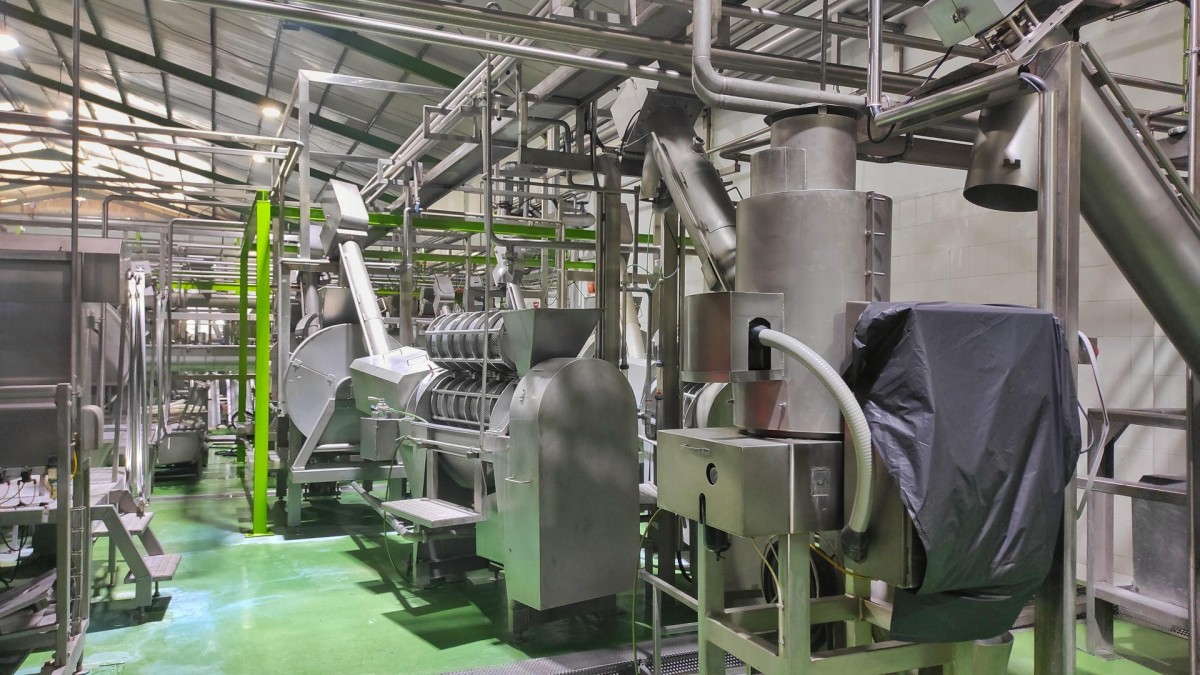
In the demanding food and beverage industries, advanced food analytics powered by Near-Infrared (NIR) spectroscopy transform quality control and production efficiency. Thanks to cutting-edge hardware and software innovations, NIR spectroscopy has moved beyond traditional laboratory and benchtop setups to become a vital tool for real-time process monitoring on the manufacturing floor. These robust, industrial-grade spectrometers are now engineered to withstand harsh production environments, making them ideal for automated food analysis.
The integration of NIR spectroscopy technology with industrial process control networks enables seamless data sharing, remote calibration, and predictive analytics. This connectivity empowers manufacturers to achieve precision food quality control, optimize ingredient consistency, maximize productivity, and ensure regulatory compliance – all in real-time. Whether you are operating in a high-volume dairy plant, a beverage facility, a snack production line, or a processing plant for agricultural products, NIR spectroscopy is driving smarter, faster, and more reliable decisions in food analytics.
NIR-For-Food Website
There are four main sections on the Galaxy Scientific NIR-For-Food Website: Industries, Overviews, Applications, and Adulterations.
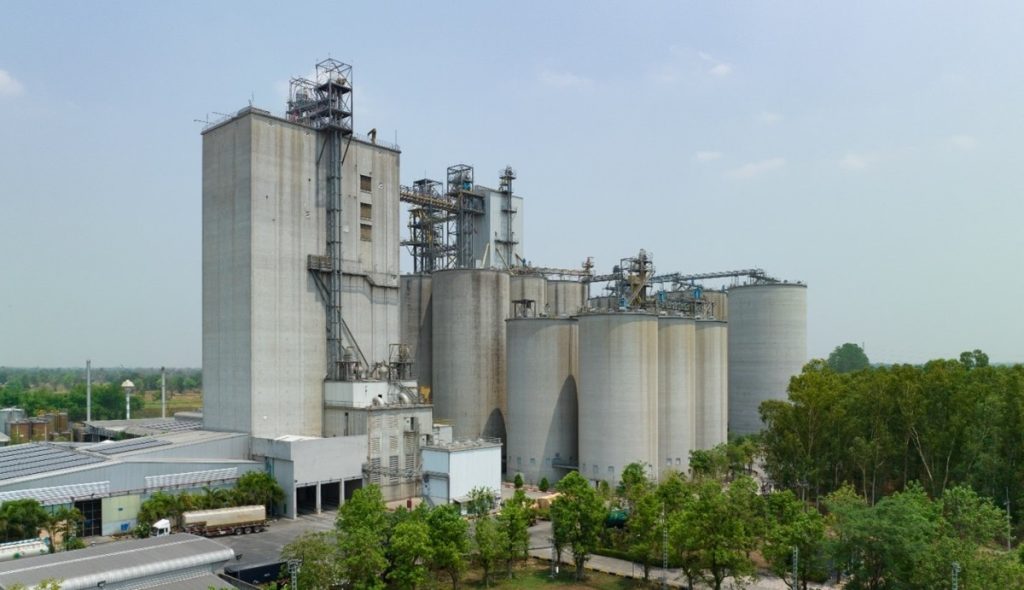
Industries
Material includes market analysis, history, discussion of products, and how NIR spectroscopy is used for analysis.
- Learn More
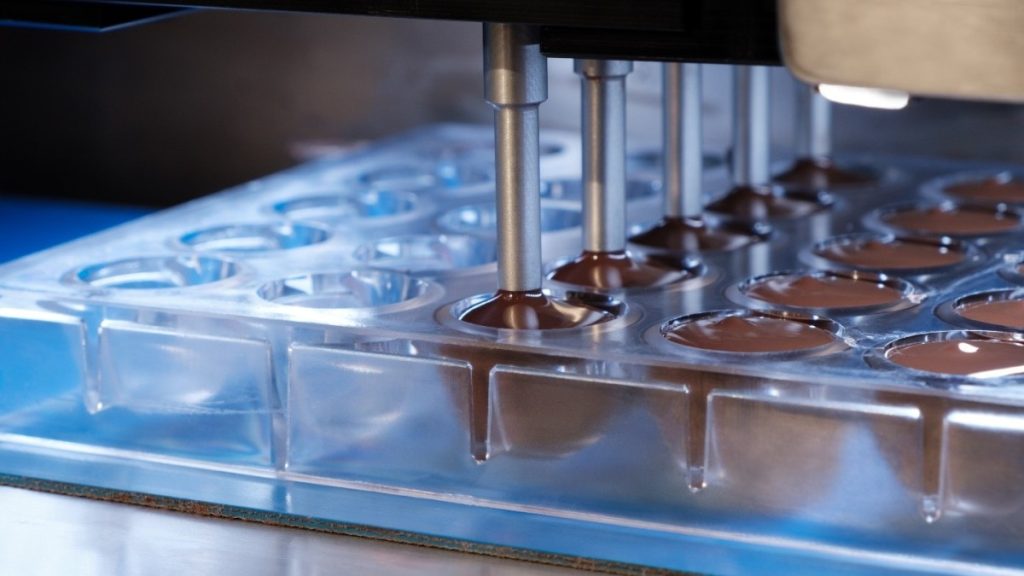
Overviews
Each product is discussed with an overview of the manufacturing process, inherent challenges in analytical techniques, and how NIR spectroscopy can be used for quality control.
- Learn More
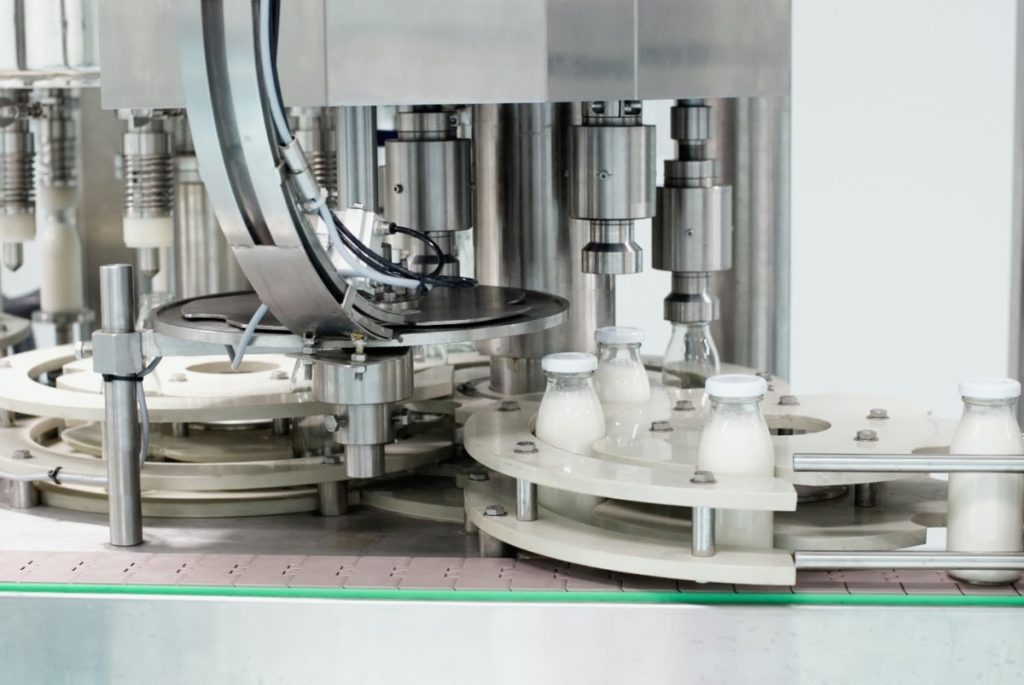
Applications
Comprehensive summaries and analysis of applications developed using NIR spectroscopy for food and beverage analysis at the research and industrial levels.
- Learn More
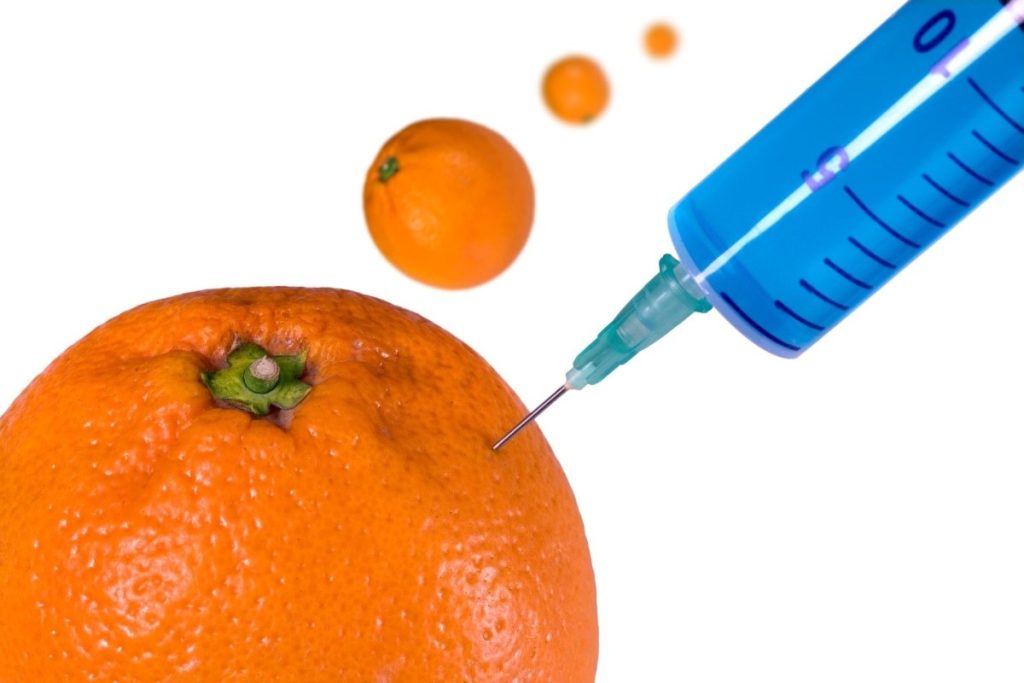
Adulterations
Summaries of developed applications for adulteration detection and analysis in food and beverages.
- Learn More
Frequently Answered Questions
For more detailed discussion about NIR spectroscopy, the use of Fourier Transform Near-Infrared (FT-NIR) spectrometers, advantages of NIR spectroscopy, and how it is used in the food and beverage industries, please visit the FAQ section of the NIR-For-Food website. Questions can be submitted to Galaxy Scientific for review and will be answered by one of our specialists.